From Songshan, Taipei · Editorial journal

Meadow Investment Journal: reading how AI watches long-term asset allocation.

We publish free, slow-read articles on one narrow question: how machine-learning models are used to monitor the long-horizon allocation of assets — equities, bonds, real estate and alternatives held for years, not minutes. Nothing here is sold, advised or traded on your behalf.

Taipei skyline at dusk, with office towers above the river basin where long-term capital is allocated and monitored.
Taipei, where this journal is edited. Photo: Wikimedia Commons (CC BY 2.0).

01 — Locality

A Taipei reading room for a slow, technical subject.

Most coverage of AI in finance chases the next trade. We are interested in the opposite horizon: the years-long allocation decisions that pension reserves, endowments and patient households actually live with. From an office on Minquan East Road, we read the published research, the regulator notes and the practitioner papers, and turn them into plain editorial articles for readers in Taiwan and beyond.

The work we describe is descriptive, not transactional. We explain how models observe drift in a target allocation, how they flag when a portfolio strays from its long-term policy weights, and what the limits of those signals are. We do not run a model for you, and we do not take a fee for saying so.

02 — What we watch

Three narrow things this journal actually monitors.

Long-term allocation monitoring is not stock-picking. It is the quieter discipline of checking, over years, whether a portfolio still matches the policy an owner set for it. These are the three threads our articles return to.

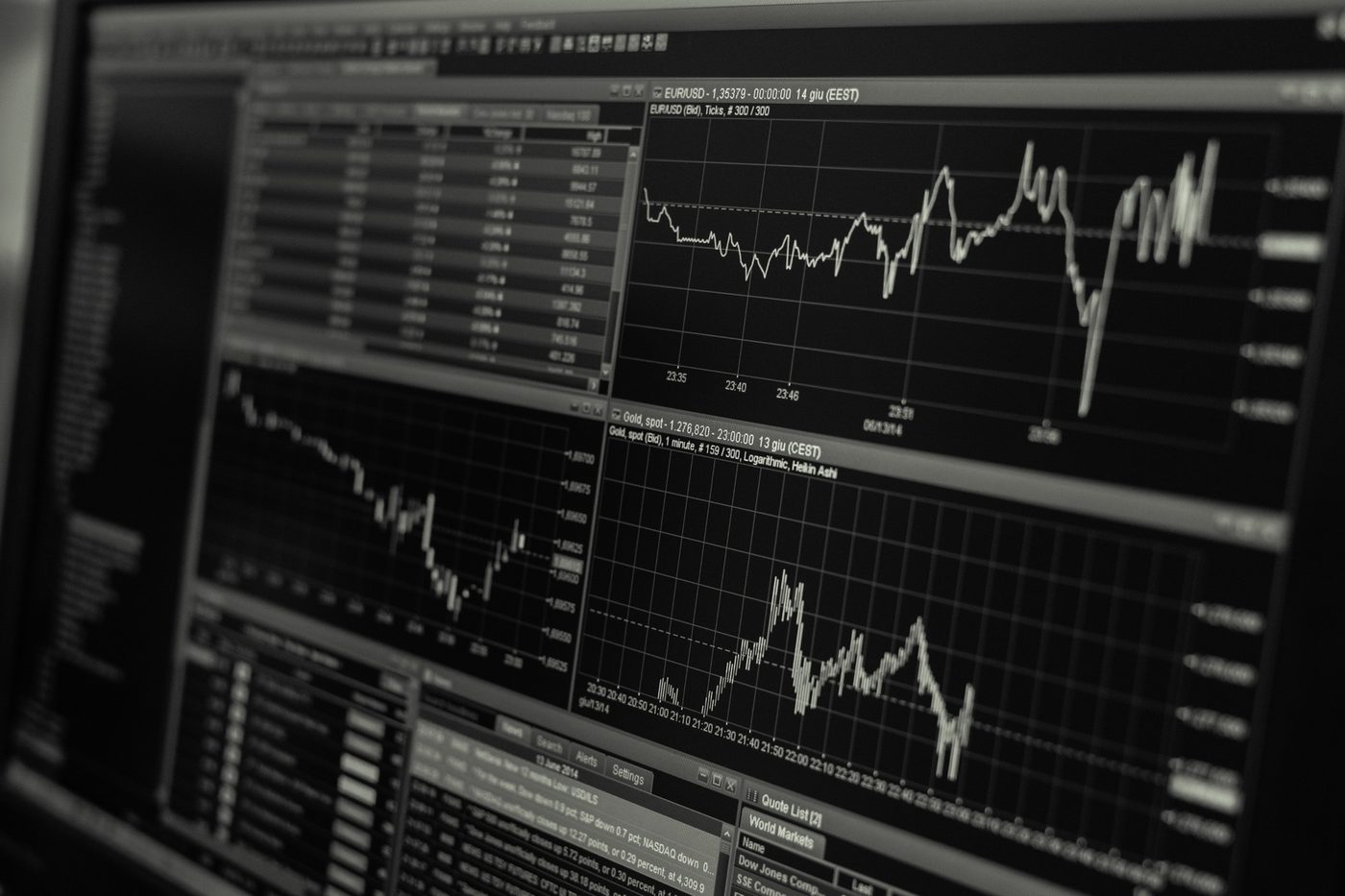
Stacked market index charts over time, illustrating how monitoring tracks allocation drift across asset classes rather than single-stock moves.

Drift from policy weights

Pick a target mix — 60% equities, 30% bonds, 10% real assets, say — and markets immediately start pulling it out of shape. We follow the AI methods that measure that drift and judge when paying the cost and tax friction of a rebalance is actually worth it.

Regime and correlation shifts

Bonds and equities do not always offset each other. We track the models that detect when long-run correlations and volatility regimes change, because that is when an old allocation stops doing the job it was designed for.

Horizon and liability matching

A 30-year allocation is monitored differently from a 10-year one. We read the work on horizon-aware monitoring — how AI estimates whether the assets still match the liabilities and spending plan they were chosen to fund.

“We write about monitoring, not predicting. The difference is whether you keep an allocation honest over decades — or gamble on the next quarter.”

03 — Inquire

Write to the journal. We reply; we do not sell.

If an article left a question open, or you have a correction grounded in a published source, send it. The message is handled on this domain only — we use it solely to answer you, never to add you to a list, and no paid service sits behind this form.

Prefer email? Write to info@meadow-runtime.digital or call +886 2 2713 8257.

How should we address you in our reply.

We reply to inquiries at this address only.

Include the country code if you are outside Taiwan.

Tell us which article or idea you are responding to. Up to 4,000 characters.

Sending your inquiry, please wait…

Thank you. Your inquiry has been received. We read every message and reply to the email address you provided, usually within three working days.

We could not send your inquiry right now. Please try again, or email us directly at info@meadow-runtime.digital or call +886 2 2713 8257.

Server room representing the compute infrastructure that long-horizon allocation monitoring depends on, with rows of racks.
The compute layer monitoring runs on. Photo: Wikimedia Commons (CC BY-SA 3.0).

04 — Objections

Honest answers to the questions Taipei readers ask first.

Is this investment advice?

No. Every article is editorial and informational. We do not tell you what to buy, hold or sell, and we do not tailor anything to your situation. For advice tied to your circumstances, speak to a licensed adviser in Taiwan.

Do you run an AI model on my portfolio?

No. We describe how monitoring models work in the literature. We never connect to your accounts, never ingest your holdings, and never produce a personal allocation.

Why long-term allocation and not trading signals?

Because the cost of a wrong allocation, held for years, dwarfs the cost of a wrong trade held for days. The interesting AI questions for patient capital are about drift, regime and horizon — not the next tick.

Is anything sold on this site?

No. There are no subscriptions, no paid articles, no bookings, no deposits and no execution. The journal is free to read. Our only contact path is the inquiry form and the address in the footer.